Who - Ai
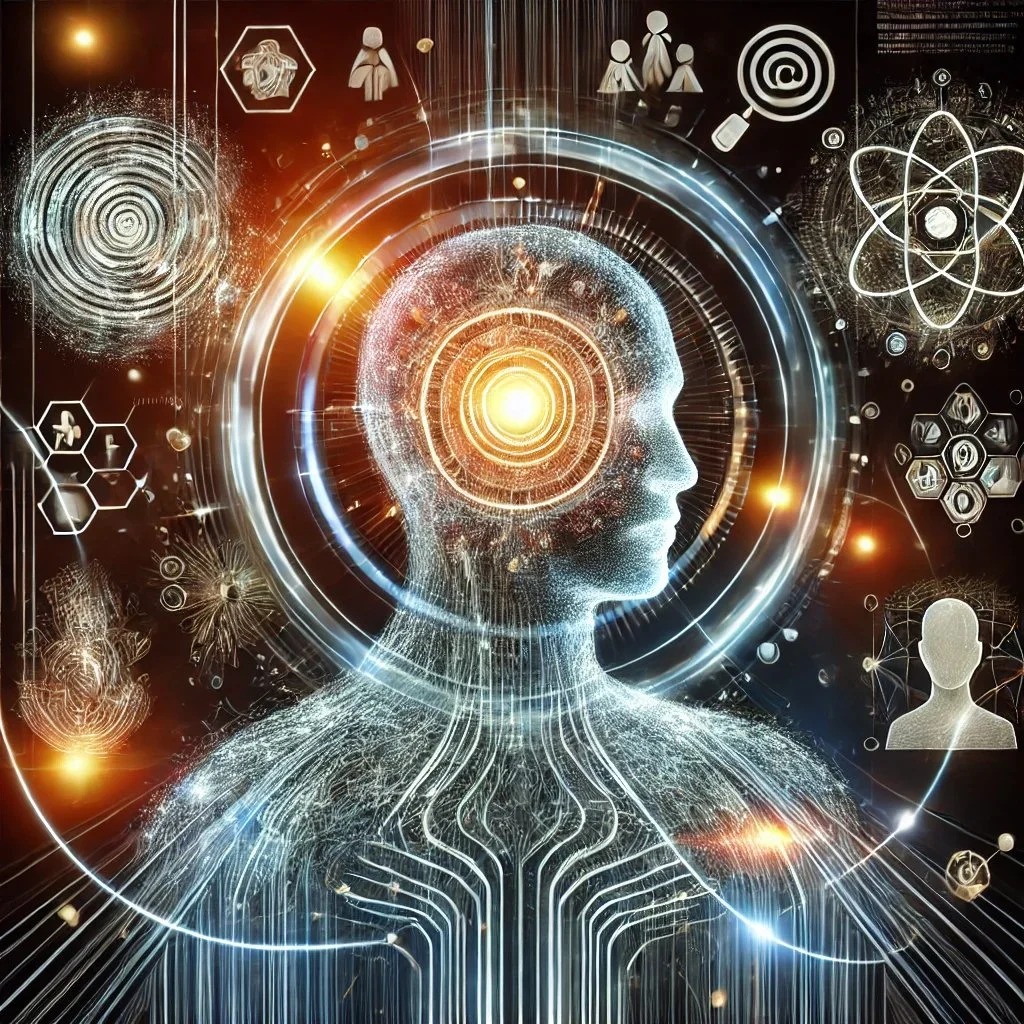
Who is AI?
Artificial Intelligence, in its ever-growing complexity, stands at a fascinating crossroads between human-like cognition and machine-based logic. But in this Who section, we ask a bold, controversial question: Is AI becoming something more than just a tool? When AI systems like neural networks and machine learning models evolve, adapt, and even create, do they move closer to being a "who"? Can we call AI an entity, something that can be described in terms of identity, agency, and personality?
In this section, we explore AI as a new kind of being, one that doesn't fit neatly into the traditional roles of people or groups but exists within a space where lines blur between human-like qualities and pure computation. AI systems make decisions, learn from their environments, and even produce creative works—so what happens when we start viewing AI as something with identity, something that interacts with the world in ways eerily similar to how people do?
Subcategories:
AI as a Learner
Like a child learning from experience, AI systems process vast amounts of data and improve over time. In many ways, AI is a pupil, learning from the world just as humans do.
AI as a Decision-Maker
AI doesn't just process data; it makes decisions based on that information, driving cars, diagnosing diseases, and even recommending life-altering choices. This is something traditionally reserved for humans—has AI crossed into the realm of agency?
AI as a Creative Force
Whether it's composing music, creating art, or writing text, AI has entered the creative domain. Is this evidence that AI is not just a tool but a creator, capable of producing original works like human artists?
The Emotional AI
Increasingly, AI is being developed to understand, simulate, or even mimic human emotions. Does this mean AI is developing something akin to an emotional identity?